
Why Forensics Canada Inc.?
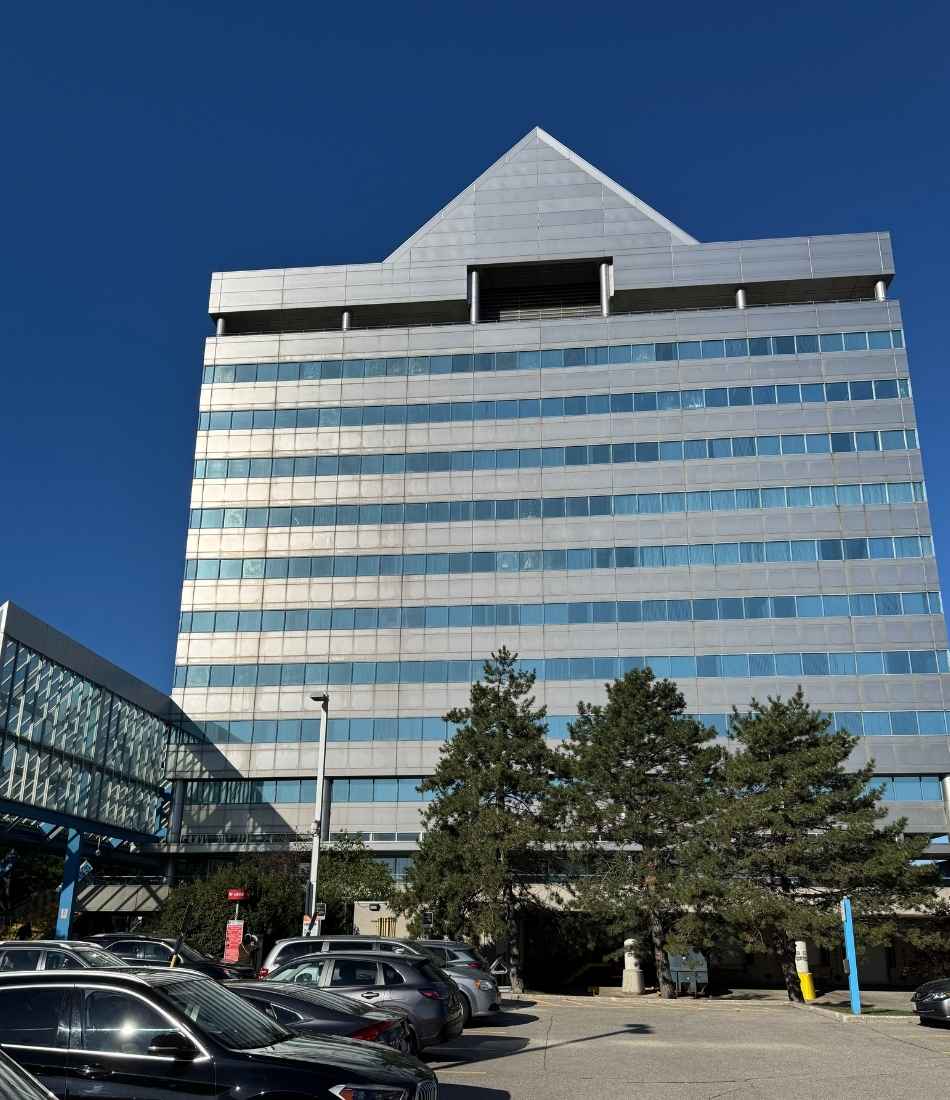
Inside the Government of Canada Building (Passport Office & Service Canada Centre): 200 Town Centre Court, Unit 5 (Main Floor), Scarborough, ON M1P 4X8
About Our Services
At Forensics Canada Inc., we provide professional fingerprinting, background screening, and DNA testing services for individuals, families, employers, legal professionals, and government agencies across Canada. Our services support immigration, employment, licensing, citizenship, family law matters, and international documentation requirements.
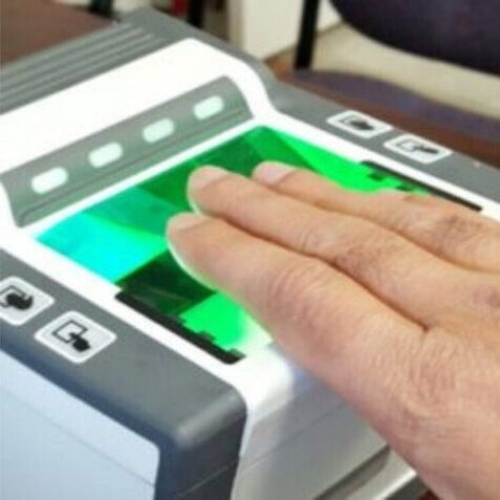


FINGERPRINTING SERVICES
Forensics Canada Inc. offers professional fingerprinting services in Toronto, including both digital and ink prints for background checks, employment, and immigration.
CRIMINAL BACKGROUND CHECKS (CPIC)
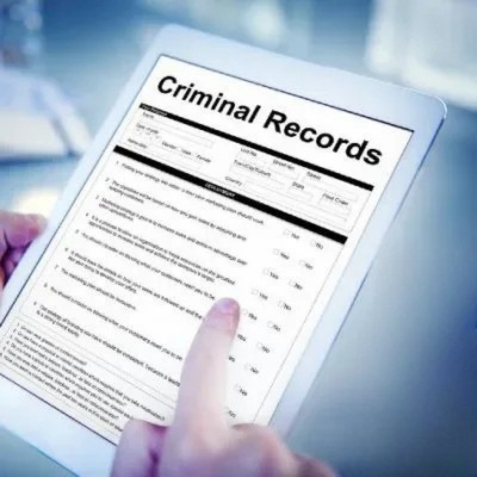
Need a police check (aka police clearance) for a new job, foreign travel/visa, sponsorship, adoption or a professional license?
CRIMINAL RECORD AND JUDICIAL MATTERS CHECK (CRJMC)
Need a police check (aka police clearance) for a new job, foreign travel/visa, sponsorship, adoption or a professional license?
FBI CLEARANCE – FBI FINGERPINTS FOR IDHSC
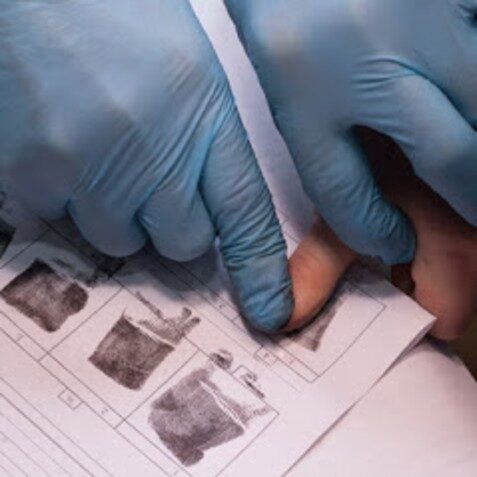
We provide your fingerprints on a standard FD-258 or FD-1164 fingerprint card for submission to the FBI for Identity History Summary Checks (Rap

PATERNITY DNA TESTING
Forensics Canada Inc. (FCI) provides SCC-accredited paternity DNA tests, trusted for their 99.99% accuracy, with both legal and private testing options available.

RELATIONSHIP DNA TESTING
At Forensics Canada Inc., we provide a comprehensive range of DNA Relationship Tests to accurately determine biological relationships between alleged relatives.

LEGAL DNA TESTING
Need DNA test results for legal purposes? We provide court-admissible DNA testing with a complete chain of custody and all necessary documentation.

ANCESTRY DNA TESTING
Explore your roots with our comprehensive DNA ancestry tests. Uncover maternal and paternal lineage insights and discover the story your DNA has to tell.

INTERNATIONAL SERVICES
Forensics Canada Inc. assists clients outside Canada in obtaining RCMP Criminal Record Checks, handling the entire process efficiently.
How It Works?
International Services
Contact Us
Have Questions or Need More Information About Our Services !
We are located at 200 Town Centre Court, on the main floor of the Canada Centre Building (Passport Office) — a federal government complex in the heart of Scarborough, Toronto. For all our background screening services, the applicant must provide two pieces of government-issued identification, such as a driver’s licence, passport, or birth certificate.
Click here to open Forensics Canada Inc. Location in Google Maps.
Call us:
(416) 290-1919
Email: info@forensicscanada.ca
Hours of Operation:
Monday – Friday: 9:30 am to 5:30 pm
Saturdays – 10:0 am to 4:00 pm
Sunday – Closed
Scarborough (Toronto):
200 Town Centre Court #5,
Scarborough, ON M1P 4X8
- All
- Alternative Samples
- Ancestry DNA Testing
- Aunt Uncle DNA Testing
- Background Checks
- DNA Profile
- DNA Testing
- FBI Clearance
- Fingerprinting
- Grandparent DNA Test
- Home Paternity Test
- International Fingerprinting
- Mobile Fingerprinting Services
- Paternity DNA Testing
- Paternity Tests
- Relationship DNA Tests
- Sibling DNA Testing
If the alleged father cannot be tested, another biological relationship test may be possible. Depending on which relatives are available, options may include grandparent testing, aunt or uncle testing, or Y-chromosome testing. Contact us and we can help determine the most appropriate test.
Yes. For home testing, participants can usually collect their samples from different locations. For legal testing, contact us before booking so the appropriate verified collection arrangements can be made.
A home paternity test is intended for personal knowledge or peace of mind and can be collected privately at home. A legal paternity test requires identity verification and documented chain-of-custody procedures so the results can be used for court or other official purposes.
Results are typically available within 7–10 business days after the laboratory receives all required samples.
Samples are normally collected using a painless cheek swab that is gently rubbed inside the mouth. For a home test, samples can be collected privately by following the kit instructions. Legal testing requires verified sample collection and chain-of-custody procedures.
There is no minimum age for a standard post-birth paternity DNA test. A simple cheek-swab sample can be collected from babies, children, and adults.
No. A paternity test can usually be completed using samples from the child and the alleged father only. Including the mother may provide additional information in some cases.
A paternity DNA test can provide a probability of paternity greater than 99.99% when the tested man is the biological father. If he is not the biological father, the test can exclude paternity.
Contact Forensics Canada Inc. before ordering. We can review which relatives are available for testing and help determine the most appropriate relationship DNA test for your situation.
Yes. DNA testing information and results are handled confidentially and are released according to the laboratory’s privacy and reporting procedures.
Results are typically available within the laboratory’s standard processing period after all required samples are received. We will provide the expected turnaround time when your test is arranged.
DNA samples are normally collected using simple cheek swabs. The swab is rubbed gently inside the mouth to collect cells for DNA testing.
Yes, legal aunt or uncle DNA testing is available when the results are required for court, estate, or other official purposes. Legal testing requires identity verification and proper chain-of-custody sample collection. Home DNA testing is intended for personal knowledge only.
Yes. Participants can usually complete sample collection from different locations. Contact us before ordering if the participants will be tested separately so we can arrange the appropriate testing process.
An aunt or uncle DNA test can provide evidence of a biological relationship when the alleged parent is unavailable for testing, but it is not the same as a direct paternity test. Whenever possible, direct testing of the alleged parent provides the strongest evidence.
No. An aunt or uncle DNA test can be performed without testing the parent. However, including additional known relatives may improve the strength of the relationship analysis.
The test normally compares one alleged biological aunt or uncle with one niece or nephew. Testing additional family members, when available, may help provide stronger results.
An aunt or uncle DNA test provides a statistical likelihood of whether the tested individuals are biologically related. Because this is an indirect relationship test, results are generally not expressed in the same way as a direct paternity test. In some cases, testing additional known relatives can strengthen the analysis.
In some situations, legal relationship DNA testing may be used to support inheritance, estate, or other official matters. The exact requirements depend on the organization or authority requesting the test, so it is important to confirm their requirements before testing.
Relationship DNA testing is performed using established laboratory methods and statistical analysis. The strength of the result depends on the type of relationship being tested, the number of participants, and which relatives are available. Unlike direct paternity testing, some extended-family relationship tests are reported as a probability or likelihood of relationship.
Contact Forensics Canada Inc. and explain the relationship you are trying to establish and which family members are available. We can help determine which participants and which type of DNA test would be most appropriate.
Legal DNA test results may be used for court or other official purposes when the samples are collected under proper chain-of-custody procedures and identification requirements are followed. Home DNA tests are intended for personal knowledge and are not generally suitable for legal use.
Yes. Depending on the relationship being tested, adding a known biological parent or other close relative can sometimes provide stronger statistical evidence and help produce a more informative result.
Not always. Relationship tests such as sibling, grandparent, or aunt and uncle testing use statistical analysis to determine the likelihood of a biological relationship. In some cases, the result may be less conclusive, and testing additional family members may help strengthen the analysis.
Results are typically available within 7–10 business days after the laboratory receives all required samples. Some specialized tests may take longer depending on the type of analysis required.
Most relationship DNA tests use a simple and painless cheek-swab collection. A sterile swab is gently rubbed inside the mouth to collect cells for DNA analysis.
A home DNA test is intended for personal knowledge and allows participants to collect their own cheek-swab samples. A legal DNA test follows a documented chain-of-custody process, including identity verification and witnessed sample collection, so the results may be used for court or other official purposes.
No. Participants do not normally need to be in the same location. Home collection kits can be arranged for family members living in different cities or provinces. Legal testing may also be coordinated at separate approved collection locations when required.
Yes. Many relationship DNA tests can be performed when a biological parent is unavailable. Depending on the case, siblings, grandparents, aunts, uncles, or other relatives may be tested instead. Including additional known relatives can sometimes strengthen the analysis.
The most appropriate DNA test depends on the biological relationship you are trying to determine and which family members are available for testing. For example, sibling testing may be used for brothers and sisters, grandparent testing when a parent is unavailable, and aunt or uncle testing for an avuncular relationship. If you are unsure, contact Forensics Canada Inc. and we can help identify the most suitable test.
Yes. If two grandparents are being tested to evaluate one parental line, they should be the biological parents of the same alleged mother or father.
Grandparent DNA testing may be a useful option when the alleged biological parent is deceased or otherwise unavailable. Testing one or both biological parents of the alleged parent can help assess the claimed relationship.
Yes. Participants do not normally need to be in the same location. Home collection kits can be arranged for participants at different addresses. Legal testing may also be coordinated at separate approved collection locations.
Our grandparent DNA test starts at $349. Additional fees may apply depending on the number of participants, collection requirements, or whether legal chain-of-custody testing is required.
Results are typically available within 7–10 business days after the laboratory receives all required samples.
Legal grandparent DNA testing may be used for court or other official purposes when proper identification, witnessed sample collection, and documented chain-of-custody procedures are followed. Home tests are intended for personal knowledge.
DNA is usually collected using simple cheek swabs rubbed gently inside the mouth. For personal testing, samples can usually be collected at home. Legal testing requires identity verification and controlled chain-of-custody sample collection.
Grandparent DNA testing uses statistical analysis to calculate the likelihood of a biological relationship. Unlike a direct paternity test, results are expressed as a probability or relationship likelihood rather than a simple near-100% inclusion or exclusion.
A grandparent DNA test does not directly test the alleged father. Instead, it evaluates whether the child is biologically related to the alleged father’s parent or parents. This can provide evidence supporting or excluding the claimed family relationship.
Testing both grandparents from the same side of the family can usually provide stronger statistical evidence than testing only one grandparent. If only one grandparent is available, testing may still be possible.
Yes. Grandparentage testing can be performed without the biological parent. However, including additional family members when available may strengthen the analysis and help produce a more conclusive result.
Grandparent DNA testing is often used when the alleged biological parent is unavailable, unwilling, or unable to participate in a direct paternity or maternity test.
A grandparent DNA test compares the DNA of a child with one or more alleged grandparents to determine the likelihood of a biological grandparent-grandchild relationship.
Yes. The individuals whose biological relationship is being tested must each provide a DNA sample. The most common collection method is a simple cheek swab.
Contact Forensics Canada Inc. and tell us which family members are available for testing and what biological relationship you are trying to determine. We can help you identify the most appropriate relationship DNA test before you order.
Yes. Participants do not normally need to be in the same location. Arrangements can be made for sample collection in different locations, depending on whether you require a personal or legal DNA test.
Our sibling DNA test starts at $349. Additional fees may apply depending on the number of participants, the type of testing required, and whether legal chain-of-custody collection is needed.
Results are typically available within 7–10 business days after the laboratory receives all required samples.
Legal sibling DNA testing may be used for legal purposes when samples are collected under an approved chain-of-custody procedure and identification requirements are followed. Home DNA tests are intended for personal knowledge and are not generally intended for court use.
DNA is usually collected using painless cheek swabs rubbed gently inside the mouth. For a personal knowledge test, samples may be collected at home. Legal tests require controlled sample collection and proper chain-of-custody procedures.
It may help determine whether two individuals are likely to share a biological parent. If the goal is specifically to determine whether two people share the same father, including a known biological mother when available can strengthen the analysis.
Sibling DNA testing uses statistical analysis to calculate the likelihood of a biological sibling relationship. Unlike a direct paternity test, sibling results are expressed as a probability rather than simply a near-100% inclusion or exclusion. In some cases, additional family members may be recommended to strengthen the result.
Yes. The individuals whose biological relationship is being tested must each provide a DNA sample. The most common collection method is a simple cheek swab.
Full siblings share both biological parents. Half siblings share only one biological parent.
A sibling DNA test compares the DNA of two or more individuals to determine the likelihood that they are biologically related as full siblings, half siblings, or unrelated.
The $249 + HST standard home paternity test includes testing for 1 child and 1 alleged father, the DNA collection kit, laboratory analysis, and confidential results. Additional participants and special shipping requests are available at an extra charge.
No. A standard paternity test can generally be performed using samples from the child and alleged father. Testing the mother may be helpful in certain circumstances but is not normally required.
No. The $249 home test is intended for personal knowledge only. If you require results for court or another legal purpose, choose a legal paternity DNA test.
Yes. Additional participants can be added for an additional fee.
No. DNA testing can be performed at any age, including newborns.
Yes. Forensics Canada Inc. can assist with apostille service for RCMP Criminal Record Checks after the certificate is issued. This service is commonly requested for immigration, visa, residency, employment, and legal purposes outside Canada.
DNA testing at Forensics Canada Inc. is by appointment only. To ensure absolute confidentiality, strict chain-of-custody protocols, and a dedicated forensic collector to process your identity verification, we do not accept walk-in clients for DNA profiling.
Please ensure you book your date and time in advance by calling 416-290-1919 or using our online booking portal before visiting our Scarborough office.
We follow rigorous privacy protocols. Your genetic samples and the resulting documentation are never shared with public registries, insurance providers, or external databases. Your file is handled with absolute forensic discretion.
Absolutely. Because your DNA profile maps specific, unchanging genetic markers (STRs), your digital or physical report can be compared against future legal samples indefinitely if relationship verification or identification needs arise.
No. A DNA profile generates an unattached, singular genetic blueprint belonging strictly to one person. A paternity test explicitly compares two or more pre-existing profiles together to calculate the statistical probability of a biological father-child relationship.
We serve Toronto, Scarborough, North York, Markham, Richmond Hill, Vaughan, Etobicoke, Brampton, Ajax, Pickering, Whitby, Oshawa, and surrounding GTA areas.
Yes. We provide FBI FD-258 fingerprint cards for U.S. background checks, licensing, immigration, and employment purposes.
Yes. Forensics Canada Inc. is accredited by the RCMP for digital fingerprinting. Contact us to confirm the application type and location.
Yes. We provide on-site fingerprinting for businesses, organizations, schools, law firms, healthcare agencies, and other group appointments.
We accept Debit, Credit (Visa/Mastercard), Interac e-Transfer and Cash.
We are located in Scarborough at 200 Town Centre Court, inside the same building as the Service Canada Passport Office. Our office is easily accessible by public transit (TTC) and offers ample parking. View on Google Maps
Yes. If you are located internationally and require a Canadian Criminal Record Check, we offer a specialized CardScan Service. This allows us to take your original ink-and-roll fingerprints (taken by a local police agency in your current country) and convert them into a secure digital format for immediate electronic submission to the RCMP.
How to get started: Please visit our International Fingerprinting Services page for a step-by-step guide on document requirements, mailing instructions, and processing times.
Yes. We provide FBI Fingerprinting services using the standard FD-258 card or FD-1164 card.
Yes. Forensics Canada Inc.is accredited by the Royal Canadian Mounted Police (RCMP) to capture and submit fingerprints electronically to the Canadian Criminal Real Time Identification Services (CCRTIS) for civil purposes.
The in-office appointment usually takes about 10 to 15 minutes. Once submitted digitally to the RCMP, results for clear records are typically processed and mailed within 72 hours to the address provided.
Please verify that your package contains all of the following before shipping. Incomplete applications cannot be processed.
1. The Fingerprint Forms
-
[ ] Original Ink Prints: Physical hard copies only. Forensics Canada Inc. cannot accept scans or photocopies.
-
[ ] Standardized Format: Use the RCMP C-216C or FBI FD-258.
-
[ ] Official Verification: The form must be signed and stamped by the local police or authorized official who took the prints.
2. Identification (Mandatory)
-
[ ] Two Pieces of ID: High-resolution color photocopies of two valid government-issued IDs.
-
One must be a Photo ID (e.g., Passport, Driver’s License).
-
-
[ ] Clear Legibility: Ensure no parts of the ID are cut off or obscured by glare.
3. Application & Authorization
-
[ ] Forensics Canada Intake Form: Your completed and signed the CardScan application form.
-
[ ] Third-Party Consent: (If applicable) Signed authorization if you want Forensics Canada Inc. to mail your results to a lawyer, employer, or a third party.
4. Payment
-
[ ] Proof of Payment: A copy of your receipt or a completed Credit Card Authorization form (if paying via card-on-file).
Yes. If you submitted your application electronically through the FBI’s e-form portal, you can log in to their website using the PIN provided in your confirmation email. For status updates on paper-based submissions, you may contact the FBI’s Customer Service line directly at (304) 625-5590.
-
-
Electronic Submission: Once your fingerprints are mailed, the FBI typically processes the request within 3 to 10 business days.
-
Mail-In Paper Application: Standard paper-based applications can take 2 to 4 weeks. The fingerprinting appointment at our office takes only 15 to 20 minutes, and we welcome walk-ins during regular business hours.
-
No, you do not need to provide your own card. Forensics Canada provides the official FBI FD-258 cards as part of our service. We use RCMP-certified fingerprinting equipment to ensure your fingerprints are perfectly aligned and meet the specific formatting requirements of the CJIS Division.
You must bring two pieces of valid, original government-issued identification. At least one must be a photo ID (such as a Passport, Driver’s License, or PR Card). Please note that Social Insurance Number (SIN) cards and Health Cards are generally not accepted as valid identification for this process.
You can visit Forensics Canada Inc. at 200 Town Centre Court, Suite 5, Scarborough, ON. We are located on the main floor of the Canada Centre Building, in the same complex as the Scarborough Passport Office. Our central location makes it easy for clients in Toronto and the GTA to get forensic-quality fingerprints with no appointment needed.
To obtain an FBI Identity History Summary Check, you must submit a set of fingerprints on an official FD-258 fingerprint card. At Forensics Canada, we use high-resolution Live Scan technology to capture your prints digitally and print them onto the required FBI cards, ensuring they meet strict forensic standards for acceptance.
To check the status of fingerprints submitted to the RCMP, you must contact the Canadian Criminal Real Time Identification Services (CCRTIS) directly. It is recommended to wait at least 3 weeks after submission before following up.
Contact Details (CCRTIS):
-
Email: ccrtis-scictr@rcmp-grc.gc.ca
-
Phone: 1-833-541-3089 or 613-998-6362
-
Hours: Monday–Friday, 7:30 a.m. to 5:30 p.m. (ET)
Information You Must Provide:
-
Full legal name
-
Date of birth
-
Date of fingerprint submission
-
Reason for the fingerprint check
-
20-digit Document Control Number (DCN) (provided on your receipt by the fingerprinting agency)
How to Inquire:
-
By Email: Send an email including all the required details listed above.
-
By Phone: Call during business hours and provide the same information to the agent.
Processing Times:
-
No criminal record / no match: As fast as 3 business days
-
Potential match or manual review: Up to 120 business days
-
Additional time may be required if results are mailed.
Important Notes:
-
Only the applicant can request a status update from the RCMP.
-
If your fingerprints were submitted through an accredited private agency, they generally cannot check the status for you.
Yes, Forensics Canada Inc. is accredited by the RCMP to submit fingerprints to CCRTIS for civil purposes.
While we prioritize scheduled appointments to ensure no wait times, walk-ins are welcome during business hours, subject to technician availability. To guarantee your time slot, we recommend using our Book Appointment button.
You must bring two (2) pieces of valid government-issued ID.
-
Primary ID: Must include photo and signature (e.g., Passport, Driver’s License, PR Card).
-
Secondary ID: Birth Certificate, Nexus card, or a second piece of primary ID.
-
Please see the Acceptable Identification
What if I have a request letter? If you are fingerprinting for Immigration (IRCC) or a specific employer, please bring the request letter or file number provided to you to ensure your results are routed correctly.
No. Scanned, emailed, or photocopied fingerprints are not accepted. Agencies such as the RCMP and FBI require original fingerprints taken either digitally or on original ink fingerprint cards
Digital fingerprinting is completed using an electronic scanner and submitted directly to the RCMP (CCRTIS) on the same day, making it faster, cleaner, and the preferred method for Canadian immigration, citizenship, employment, and record suspension applications.
Ink & Roll fingerprinting is done using ink on paper fingerprint cards (such as FD-258) and is typically required for FBI background checks, foreign police clearances, and certain out-of-country licensing. These cards must be mailed by the applicant or requesting agency, so processing times are longer.
Yes. We provide FBI fingerprinting services in Toronto, including fingerprint capture, completion of FBI forms, and assistance with mailing your application to the FBI from Canada.
We offer professional fingerprinting services in Toronto, including RCMP fingerprinting, FBI fingerprinting, digital (electronic) fingerprinting, ink and roll fingerprints, and criminal record checks for employment, immigration, visas, and legal purposes.
If the RCMP deems the fingerprint quality too low (unclear ridges or smudging), they will reject the submission. You will need to redo the fingerprinting process and resubmit.
-
Pro Tip: To minimize this risk, ensure the technician uses high-quality black ink and that your hands are well-hydrated (not overly dry or sweaty) during the session.
The cost of an international RCMP Criminal Record Check is $150.00 plus applicable taxes.
-
No Match Found: If you have no criminal record, the RCMP usually processes the request within 3 to 10 business days once they receive the digital file.
-
Match Found/Manual Review: If there is a potential match or a criminal record, processing can take 120 days or more.
Note: These times do not include the courier time it takes for your ink prints to reach the Canadian agency or for the final certificate to be mailed back to you.
Yes, if you want the results mailed to someone other than yourself (e.g., an employer, a lawyer, or a visa office). You must sign a consent form authorizing the RCMP to release your results to that specific third party
You will need to mail or courier the following documents:
-
Two pieces of valid government-issued identification (e.g., passport and driver’s licence). At least one must include a photo.
-
One recent passport-size photograph.
-
Completed fingerprint forms (C-216).
-
Our CardScan application form.
-
Credit card authorization form. (If you prefer to use another payment method, please contact us.)
Yes, as long as the agency is authorized to take fingerprints and provides original ink and roll impressions on an accepted fingerprint card.
The RCMP accepts fingerprints taken by:
-
Local police services.
-
Foreign government departments.
-
Embassies or Consulates (Note: Many Canadian embassies no longer provide this service).
-
Notaries Public.
-
Accredited private fingerprinting companies
No. The RCMP does not accept scanned, emailed, or photocopied fingerprints. Only original ink fingerprint cards sent by mail or courier can be processed.
Yes. The RCMP accepts FBI FD-258 fingerprint cards for applicants outside Canada, provided the fingerprints are taken correctly using ink and roll impressions and the card is submitted in its original form.
-
The official RCMP C-216 form.
-
The FBI FD-258 form.
-
Standard police fingerprint forms from other countries, provided they include the same basic information and a full set of “rolled” and “flat” impressions.
Yes. Forensics Canada Inc. uses “CardScan” technology that can digitize the FBI FD-258 or other international police forms, as long as the layout is standard.
Yes, the RCMP can mail the results to an international address via regular airmail at no extra cost. However, because regular mail is untracked and can be slow, many applicants choose to have the results sent to their Forensics Canada Inc, which then couriers them internationally (for an extra fee).
Yes. “RCMP clearance letter” is a commonly used term for an RCMP Criminal Record Check issued by the RCMP.
Simply click Order Home Paternity Test and complete the online order. We will send your DNA collection kit with instructions for collecting the cheek-swab samples at home. Once the samples are returned and received by the laboratory, testing can begin.
Paternity DNA testing can be performed on individuals at any age. Samples from a newborn can be collected easily on the day of birth.
It depends on the type of DNA test you have chosen. For a standard paternity DNA test with oral swabs it will take us up to 7-10 working days to provide the DNA test results by email. Processing time for nonstandard samples such as hair clippings, cigarette butts or chewing gum can take from 10 to 14 working days after we receive the samples in our laboratory.
- A legal DNA test follows a strict Chain of Custody process and is admissible in court for cases like child custody or child support.
- A private DNA test is for personal knowledge only and not valid for legal purposes.
Most modern DNA paternity tests are 99.99% accurate in determining biological relationships.
A paternity DNA Test answers the most frequently asked question – who is the father? A child inherits half of his/her genetic make-up from mother and the other half from its father. By comparing the child’s DNA profile with that of the alleged father we can determine whether or not the person is the biological father of the child.
Forensics Canada Inc. is an authorized agent of select Canadian Police Services that experience lower processing volumes, enabling faster turnaround times. This allows them to issue Police Clearance Certificates promptly – often within 2-3 hours.
Place the item in a clean, dry paper envelope (not plastic) to avoid mold or contamination. Label the envelope and follow the lab’s specific instructions for mailing.
Some of the more reliable items include toothbrushes, hair with follicles, razors, used tissues, and fingernail clippings. The success rate depends on how recently the item was used and how it has been stored.
While it is possible to test discreet samples, legal and ethical considerations vary. In legal cases, consent is usually required, and results from unconsented samples may not be admissible in court.
Yes, the DNA results are just as accurate if enough usable DNA is successfully extracted. However, the quality and quantity of DNA in alternative samples can vary depending on the item and how it’s handled.
Alternative DNA samples refer to items other than standard cheek swabs that may contain a person’s DNA. These can include items like toothbrushes, hair with roots, used tissues, or fingernail clippings.
Results are typically available in 7–10 working days after the lab receives the samples.
Usually, cheek (buccal) swabs are collected from:
-
The alleged father
-
The child
-
(Optional) The mother – her sample can help strengthen results but isn’t required
Yes, home (or “peace of mind”) tests are available. They are:
-
Easy to use: DNA collection kits are mailed to you
-
Confidential and affordable
However, results from home tests are not admissible in court, as the sample collection is not verified.
Yes, but only if it’s a legal (court-admissible) paternity test. This type of test must follow a strict chain-of-custody process, where:
-
IDs of all parties are verified
-
Samples are collected by a certified third-party (not at home)
-
Results are issued by an accredited lab
These results can be used for court, child support, custody, abd other legal purposes
Ancestry DNA can trace your genetic heritage and family tree back hundreds to thousands of years, depending on what you’re looking at:
1. DNA Ethnicity Estimates
-
Time Depth: Up to 1,000+ years ago
-
What it shows: Where your ancestors likely lived and how your DNA matches current populations.
-
Limitations: It’s an estimate based on modern reference populations, so it gives broad regional insights, not exact ancestors.
Maternal and Paternal Lineages (if available)
-
Time Depth: Up to tens of thousands of years ago
-
What it shows: Your haplogroups, which are ancient DNA signatures passed down from your mother (mtDNA) and father (Y-DNA for males).
-
Use: Helps trace ancient migration patterns, like if your paternal line came from the Middle East or Northern Europe.
Family Tree & Records via Ancestry.com
-
Time Depth: Typically 150–300 years (5–10 generations)
-
What it includes: Census records, birth/death/marriage records, immigration documents, and more.
-
Limitations: Depends on how much data you or others have added and where your ancestors lived (some countries have better records than others).
Summary:
| Type of Info | How Far Back It Goes |
|---|---|
| Ethnicity Estimate | ~1,000 years |
| DNA Matches | Up to 5–8 generations |
| Haplogroups (mtDNA/Y) | Thousands of years |
| Family Tree Records | 150–300 years (or more) |
Yes, two siblings can have different AncestryDNA results—and that’s completely normal.
Why it happens:
Siblings each inherit 50% of their DNA from each parent, but not necessarily the same 50%. The specific combination of genes passed down is random.
What this means:
-
One sibling might inherit more DNA from, say, a grandparent of Italian descent, while the other gets more from a grandparent of Irish descent.
-
As a result, their ethnicity estimates can differ, sometimes significantly, even though they share the same parents.
But some things stay consistent:
-
Siblings will share a high amount of DNA, typically around 50%.
-
They will appear as close matches (siblings) in the DNA match section of AncestryDNA.
Example:
One sibling might be 30% Scandinavian and 20% West African, while another is 25% Scandinavian and 25% West African.
Ancestry DNA tests are generally quite accurate for what they are designed to do, but their accuracy varies depending on the specific feature:
1. Ethnicity Estimates
-
Accuracy: Approximately 70–95%, depending on the region.
-
Details: The test compares your DNA to reference samples from various populations. It’s more accurate in well-represented regions (like Europe) and less precise in underrepresented areas (like parts of Africa or Asia).
2. DNA Matches (Genetic Relatives)
-
Accuracy: Very high for close relatives.
-
Details: First to third cousins are usually detected with over 99% accuracy. The farther the relation, the less precise the estimate becomes.
3. Maternal & Paternal Lineage (mtDNA and Y-DNA)
-
Accuracy: High for deep ancestry tracing.
-
Details: These tests trace unbroken maternal or paternal lines and are based on specific DNA segments (mtDNA and Y-DNA). They’re excellent for understanding ancient origins and haplogroups, but not useful for detecting recent relatives.
Important Considerations:
-
Not a diagnostic tool: It doesn’t test for health conditions unless specified.
-
Reference panels vary: Different companies have different databases, which can affect your ethnicity results.
-
Updates: Results may change slightly over time as databases grow and algorithms improve.
Yes, AncestryDNA does tell you your ethnicity—but it’s more accurate to say it gives you an ethnicity estimate based on your genetic markers.
Here’s what you get:
-
Ethnicity Breakdown: A percentage-based estimate showing what regions of the world your DNA comes from (e.g., 40% Irish, 25% West African, 15% Scandinavian).
-
Regional Detail: It includes over 1,000+ global regions, and may identify more specific communities within countries.
-
DNA Communities: These show likely migration patterns of your ancestors and can highlight historical population movements (e.g., Southern Italians to New York).
How it works:
AncestryDNA compares your DNA to a large database of genetic samples from known regions to find similarities. The result is a probabilistic estimate, not an exact measurement.
Important: These ethnicity estimates are most accurate for people from well-sampled regions (like Europe and North America) and less precise in areas with limited reference data (like parts of Asia or Indigenous populations).
DNA paternity tests are extremely accurate, typically yielding a probability of parentage of 99.99%. However, as with any scientific test, there remains a very small margin for error that could potentially affect the results.
Sibling DNA analysis is not as conclusive as paternity DNA test. A sibling DNA test will provide a probability that two individuals are biologically related and can not provide a yes or no answer. On average full siblings will share more genetic markers than half-siblings, and half-siblings share more genetic markers than unrelated individuals. Furthermore, Combined Siblingship Indices (CSI) (probabilities) of full siblings, half-siblings and unrelated individuals sometimes overlap, resulting in uncertainty of the relationship.
Forensics Canada Inc. accepts:
-
Credit Cards (Visa/Mastercard).
-
E-transfers (if you have a Canadian bank account).
-
PayPal.
Total turnaround time is usually 2 to 4 weeks, factoring in:
-
Time for you to mail your prints to Canada.
-
The 3-10 day RCMP processing window.
-
The return shipping time to your international address.
If the fingerprints are submitted electronically to the RCMP, the application is processed and the results are sent in 7 to 10 working days through Canada Post (regular mail), provided “there is NO match to a criminal record“. In cases where there is a possible match to an RCMP criminal database holding, the processing time may extend up to or exceed 120 days.
A Police Clearance Certificate or Identity History Summary Check from the USA is often referred to as a criminal background check, criminal history record, police/good conduct certificate. If you are in Canada then you must submit your fingerprints to FBI on a standard fingerprint form (FD-258). Forensics Canada Inc. will capture your fingerprints electronically using Live Scan technology to ensure the highest quality of fingerprints. We will then print your fingerprints on FBI FD-258 or FD-1164 using FBI certified printer. The process takes about 15-20 minutes.
CPIC checks or criminal record checks based on the name and date of birth of the potential employees are the most preferred method of criminal background screening by Canadian employers. You may also need a criminal background check for foreign travel, visa, name change, professional licensing, coaching, volunteering and other civil purposes.
A Canadian criminal record check is also referred to as a police record check, criminal history check, police clearance certificate or simply criminal background check. A criminal background check in Canada is a search of the CPIC (Canadian Police Information Center) database, maintained by the Royal Canadian Mounted Police (RCMP), to find out whether a police record is associated with the applicant’s name and date of birth. CPIC checks are the most preferred method of criminal background screening by Canadian employers along with other reasons
Please CLICK HERE to read about Vulnerable Sector Screening and who needs it?
A vulnerable sector check is only conducted by the local police service.
It takes approximately 10-15 minutes to complete a criminal record check application. Consent form and application must be completed in the presence of Forensics Canada Inc. processing staff at our office: 200 Town Centre Court #5, Scarborough, ON M1P 4X8
No, you are welcome to walk-in to our Toronto office (200 Town Centre Court #5, Scarborough, ON M1P 4X8) with two (2) items of government issued identification for a police check.
A name and date of birth based police record check does not list any offences. It will indicate only whether a criminal record is associated with the applicant’s name and date of birth. A certified criminal record check through RCMP however may show a summary of offence (s) for which a record suspension (pardon) has not been granted.
No, if you have a criminal record your criminal record check will come back as “incomplete” and you will lose the fee paid for CPIC name check. You will have to submit your fingerprints to RCMP to obtain a criminal record check with additional applicable fee.
Bring two (2) pieces of govt issued identification. This is mandatory to comply with RCMP policy for issuing a Police Background Check in Canada.
Please CLICK HERE to read an article on how CPIC works in Toronto Star.
Forensics Canada Inc is able to provide you with a Police Clearance Certificate in Toronto – THE SAME DAY. We may receive results back from police service in as little as 2-3 hours. Please note that the turn-around time may fluctuate depending on the number of applications on the police server and time of the day.
Walk-in to our office located at: 200 Town Centre Court #5, Scarborough, ON M1P 4X8 with two (2) items of government issued identification to obtain a criminal background check the SAME DAY
Is the police clearance certificate issued by you the same as provided by the local police services?
Yes, we are authorized agents of Canadian Police Services and we issue the Police Clearance Certificate on a police-letterhead signed with an embossed seal on it.
